Featured
The Facts About The Benefits to Consider When Considering...
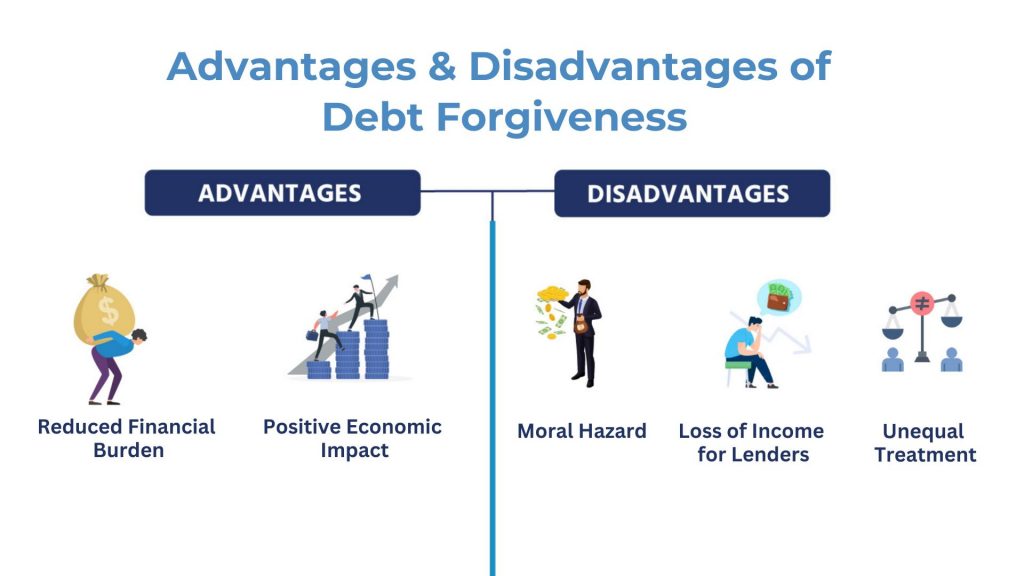
The Basic Principles Of "Debt Forgiveness Destroys Your C...

All about Actionable Advice to Restore Your Credit
Table of Contents
That liberates cash in the short-term, and you may have three to 4 years to conserve toward the negotiation amount. Extremely unsafe to credit history, largely as a result of missed payments and an adverse "settled" mark that might stay on your credit scores report for up to 7 yearsMay be only option if various other choices (financial obligation loan consolidation, balance transfer bank card, debt mercy) aren't possibleTypically calls for a fee to the third event, which can balance out some or all of the savings from financial obligation settlementMay assist you avoid insolvency if you have actually missed a number of paymentsNot all financial institutions function with debt settlement companies Financial debt mercy might be ideal for you if you are experiencing a financial hardship that makes it almost impossible to pay for your financial obligation equilibriums.

With a DMP, you make one monthly repayment to the credit scores counseling firm. Those funds are after that dispersed to financial institutions of your unprotected financial obligations, such as charge card and installment lendings. The firm collaborates with your financial institutions to reduce rates of interest or forgo costs, but some financial institutions might refuse such concessions.
It can assist you pay down financial debt if you're able to safeguard a financing price that's lower than the ordinary price of the accounts you're consolidating. You have to avoid from racking up financial debt on those newly removed accounts or your debt might grow even greater.
That offers you lots of time to eliminate or substantially lower your equilibrium while making interest-free settlements.
The 8-Minute Rule for Understanding Licensed Bankruptcy Counselors
You may require it if your financial institution or a debt collector ever attempts to accumulate on the financial debt in the future. The letter could prove you do not owe what the debt collection agency's records reveal. Yes, for the most part, the internal revenue service considers forgiven financial debt as gross income. When a lending institution forgives $600 or even more, they are called for to send you Kind 1099-C.
Debt forgiveness or negotiation practically constantly injures your credit. Anytime you work out a debt for much less than you owe, it might look like "settled" on your credit history report and impact your credit history rating for 7 years from the date of settlement. Your debt can likewise go down considerably in the months causing the forgiveness if you fall behind on payments.
Getting My Knowing Your Rights in How Nurses Can Qualify for Loan Forgiveness and Debt Relief Programs To Work
This scenario commonly results from underreporting income, not submitting returns on time, or inconsistencies discovered during an IRS audit. The repercussions of gathering tax debt are serious and can consist of tax liens, which offer the Internal revenue service a legal case to your residential property as security for the debt.
Salaries and Bank Accounts IRS can levy (confiscate) salaries and bank accounts to please the financial obligation. Home Seizure In severe instances, the IRS can seize and offer building to cover the financial debt.
Anxiety, anxiousness, and various other mental health issues. Social Stigma Encountering legal action from the IRS can lug social stigma. Damage to credibility and partnerships. Work Opportunities An inadequate credit report due to exhaust financial obligation can restrict work chances. Difficulty finding or keeping a work. Government Benefits Tax obligation financial obligation might impact qualification for government benefits, such as Social Security and Medicaid.
Immediate Guidance After Bankruptcy - Questions
The OIC thinks about numerous elements, consisting of the taxpayer's earnings, expenses, property equity, and capability to pay. Effectively working out an OIC can be complex, needing a thorough understanding of the internal revenue service's standards and a solid debate for why your offer lines up with your capacity to pay. It is essential to keep in mind that not all applications are approved, and the procedure needs detailed economic disclosure.
The IRS evaluates your overall financial circumstance, including your income, expenditures, possession equity, and capability to pay. You must likewise be existing with all declaring and settlement requirements and not be in an open bankruptcy proceeding. The IRS also considers your conformity history, assessing whether you have a record of timely declaring and paying taxes in previous years.
8 Easy Facts About The Pros and Disadvantages of How Nurses Can Qualify for Loan Forgiveness and Debt Relief Programs Explained
The application process for an Offer in Concession entails several in-depth steps. You need to finish and send IRS Kind 656, the Offer in Compromise application, and Kind 433-A (OIC), a collection details statement for people. These types call for thorough financial details, including information regarding your income, debts, costs, and assets.
Back tax obligations, which are unsettled taxes from previous years, can considerably increase your complete IRS financial obligation if not dealt with quickly. This financial debt can build up interest and late settlement fines, making the initial quantity owed much bigger with time. Failure to repay tax obligations can lead to the IRS taking enforcement activities, such as providing a tax obligation lien or levy against your building.
It is essential to resolve back taxes asap, either by paying the total owed or by preparing a repayment plan with the internal revenue service. By taking aggressive actions, you can prevent the buildup of extra interest and penalties, and avoid more aggressive collection actions by the IRS.
One typical reason is the belief that the taxpayer can pay the total either as a swelling sum or via a layaway plan. The IRS likewise takes into consideration the taxpayer's revenue, expenditures, asset equity, and future earning potential. If these aspects suggest that the taxpayer can afford to pay more than the used quantity, the IRS is most likely to reject the deal.
Bankruptcy Basics Before You Decide - Questions
Dealing with Internal revenue service debt can be complex and overwhelming. Tax specialists, such as Certified public accountants, tax obligation lawyers, or signed up representatives, can provide invaluable help.

Table of Contents
Latest Posts
Fascination About Starting Assessment and What to Expect

The Facts About The Benefits to Consider When Considering Debt Forgiveness Uncovered

The Basic Principles Of Being Cautious Against Debt Relief Scams
More
Latest Posts
Fascination About Starting Assessment and What to Expect
The Facts About The Benefits to Consider When Considering Debt Forgiveness Uncovered
The Basic Principles Of Being Cautious Against Debt Relief Scams